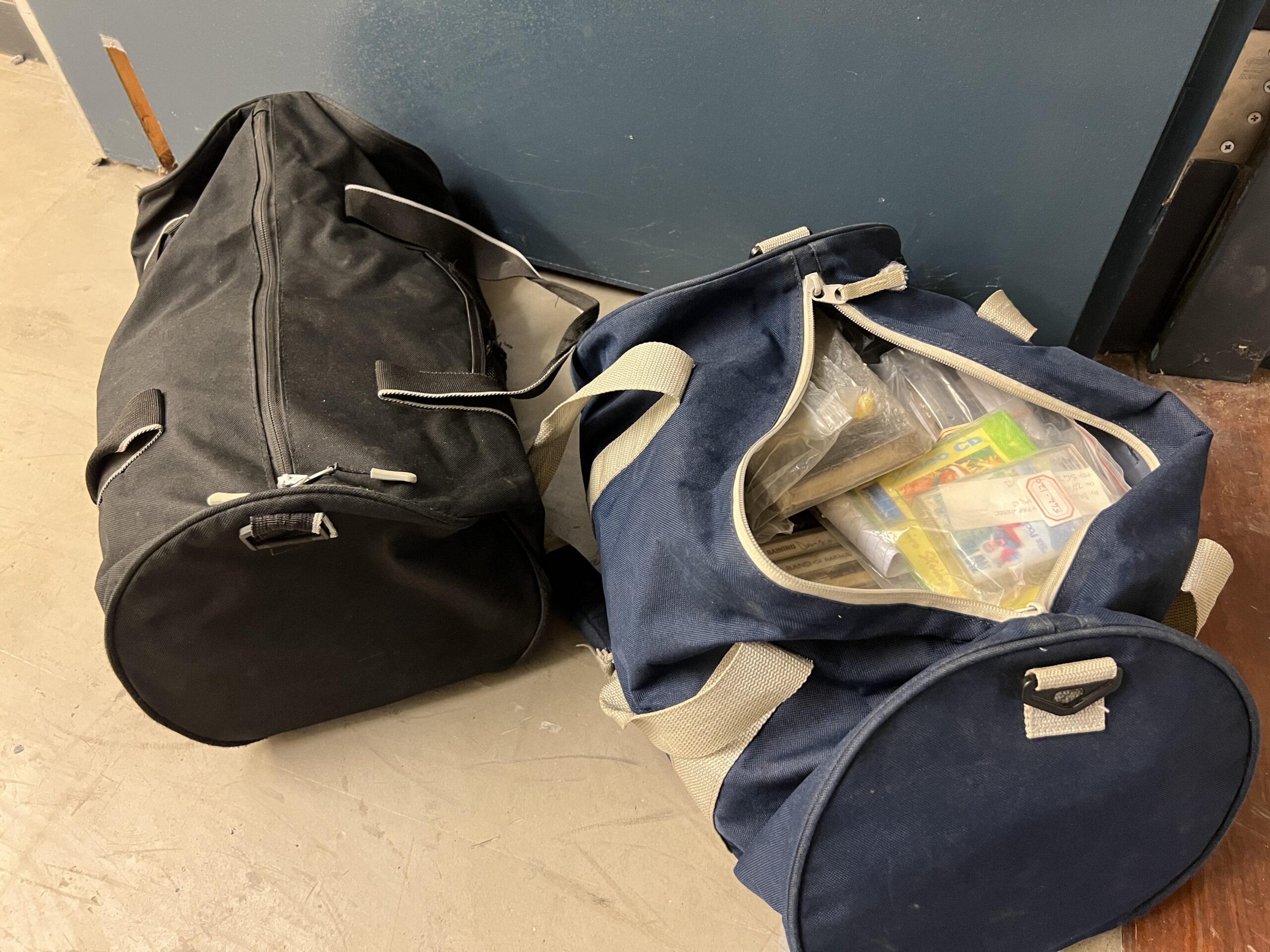
When the SG2 collection arrived at PARADISEC, it consisted of approximately 150 cassette tapes carried from Papua New Guinea to Australia in two duffel bags. They had been gathered through a community outreach project led by my colleague Steven Gagau, who invited community members to contribute cassette tapes they had lying around so he could bring them to Australia for digitisation, then return the tapes and digital copies to the communities they came from. You can read more about the first stage of this project here.
The recordings largely date from the 1970s through to the 2000s. Much of the collection consists of commercially produced music recorded in local studios by bands and solo performers, along with local choirs and other recordings from across Papua New Guinea. Many of the labels that originally issued this music are now defunct, and if the master tapes still exist, nobody seems to know where they are or what condition they’re in. For some recordings, SG2 is the only organised digitisation effort beyond a random song or two finding its way onto YouTube.
Assessing the collection
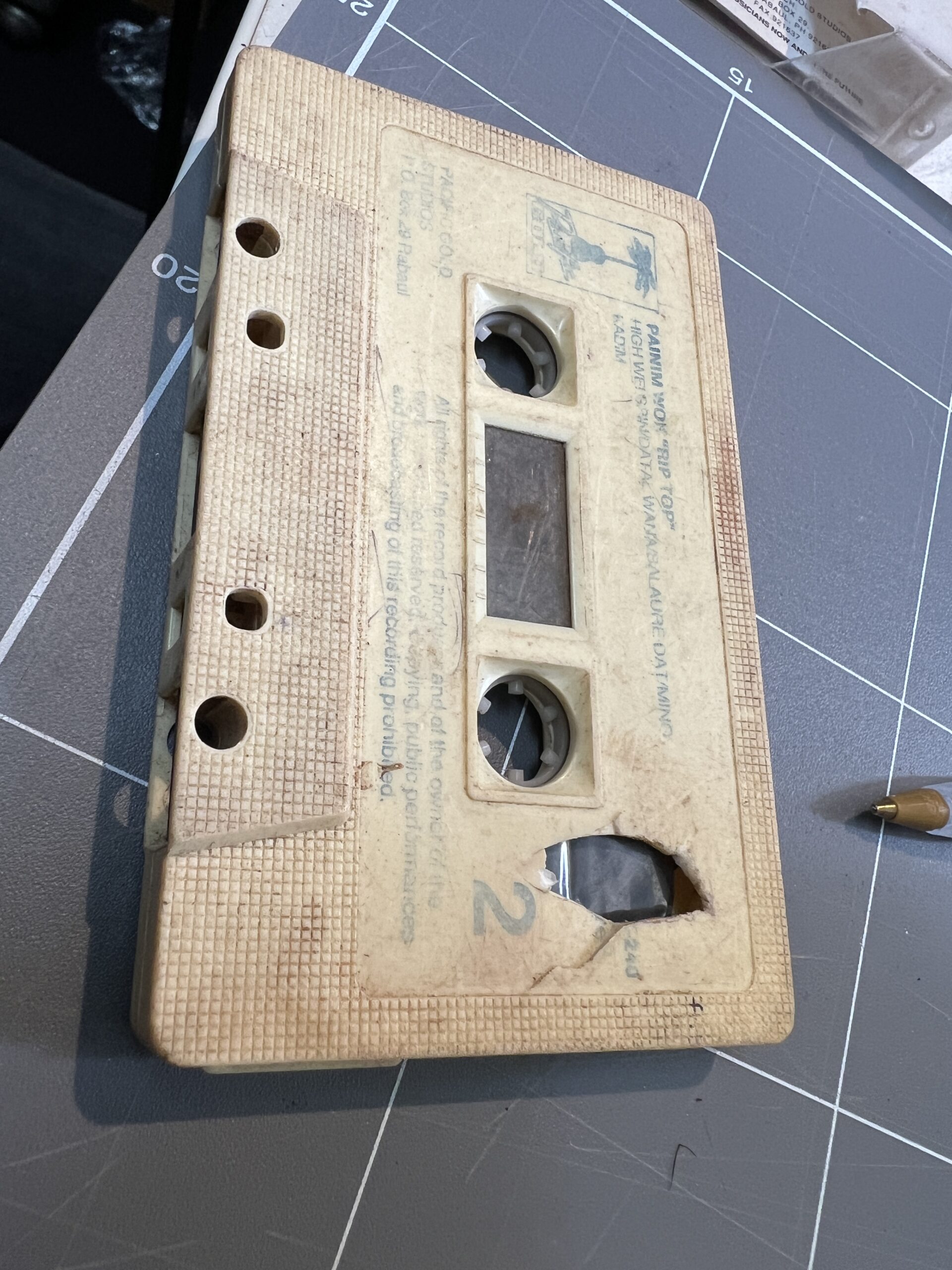
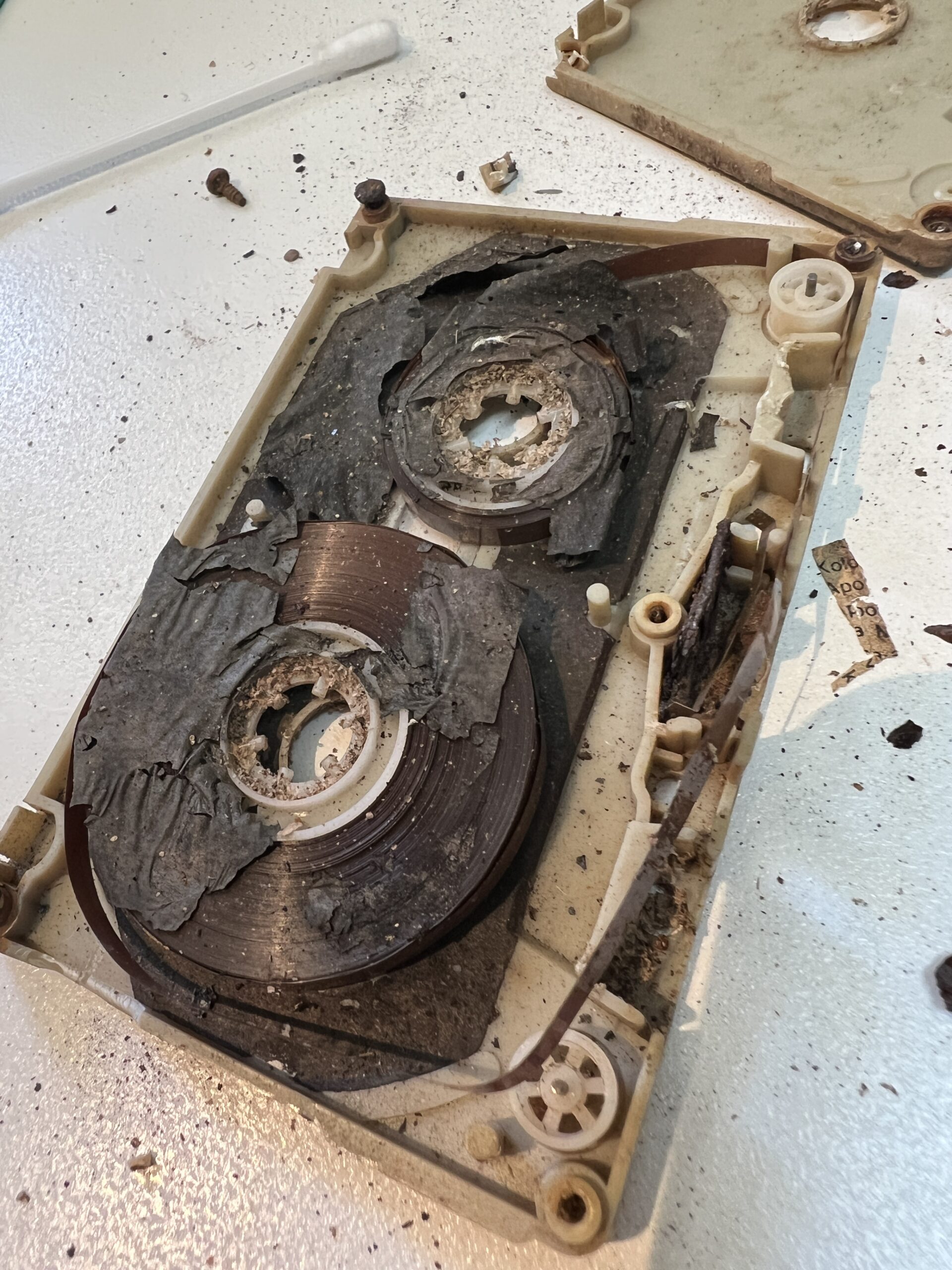
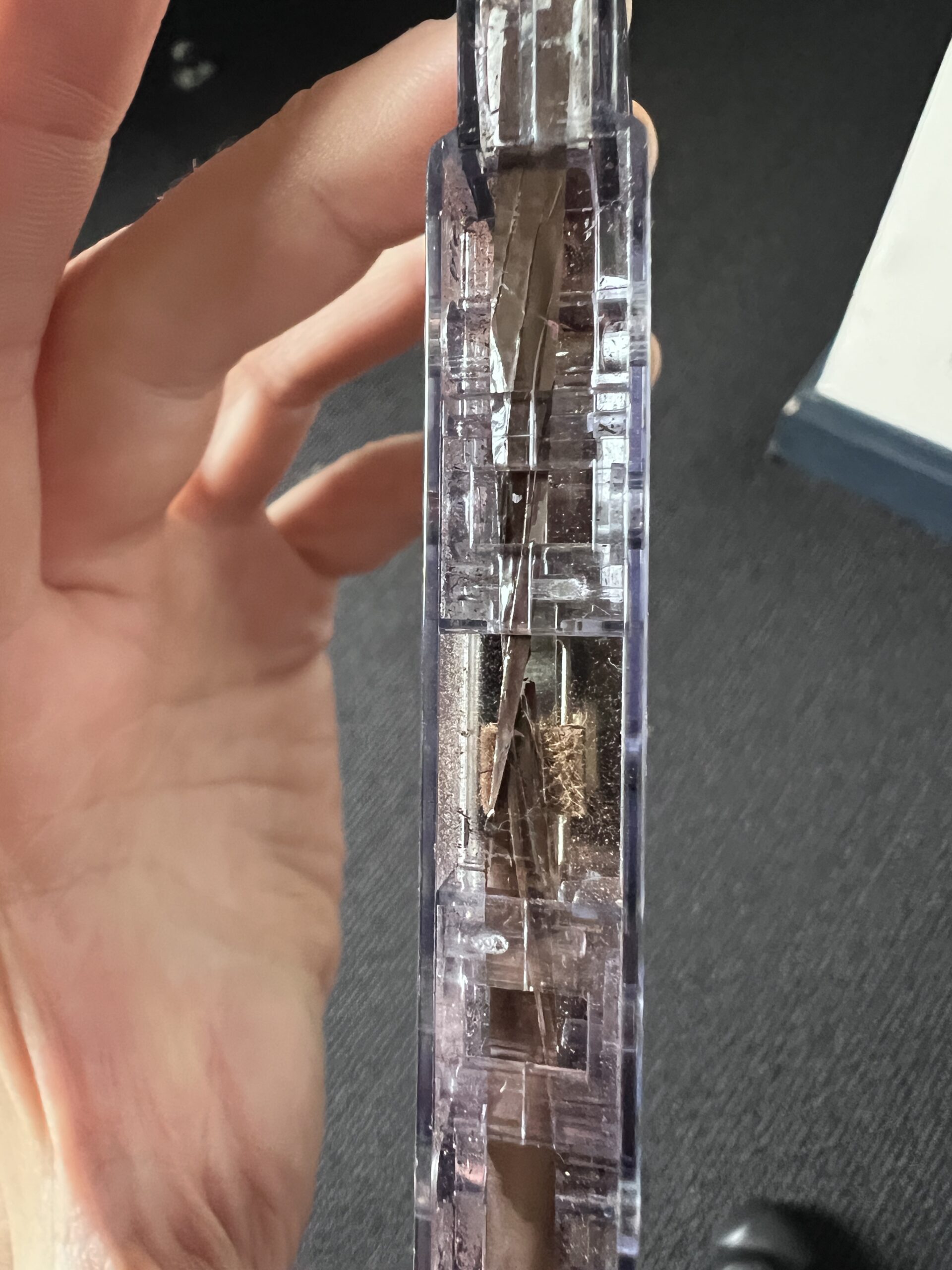
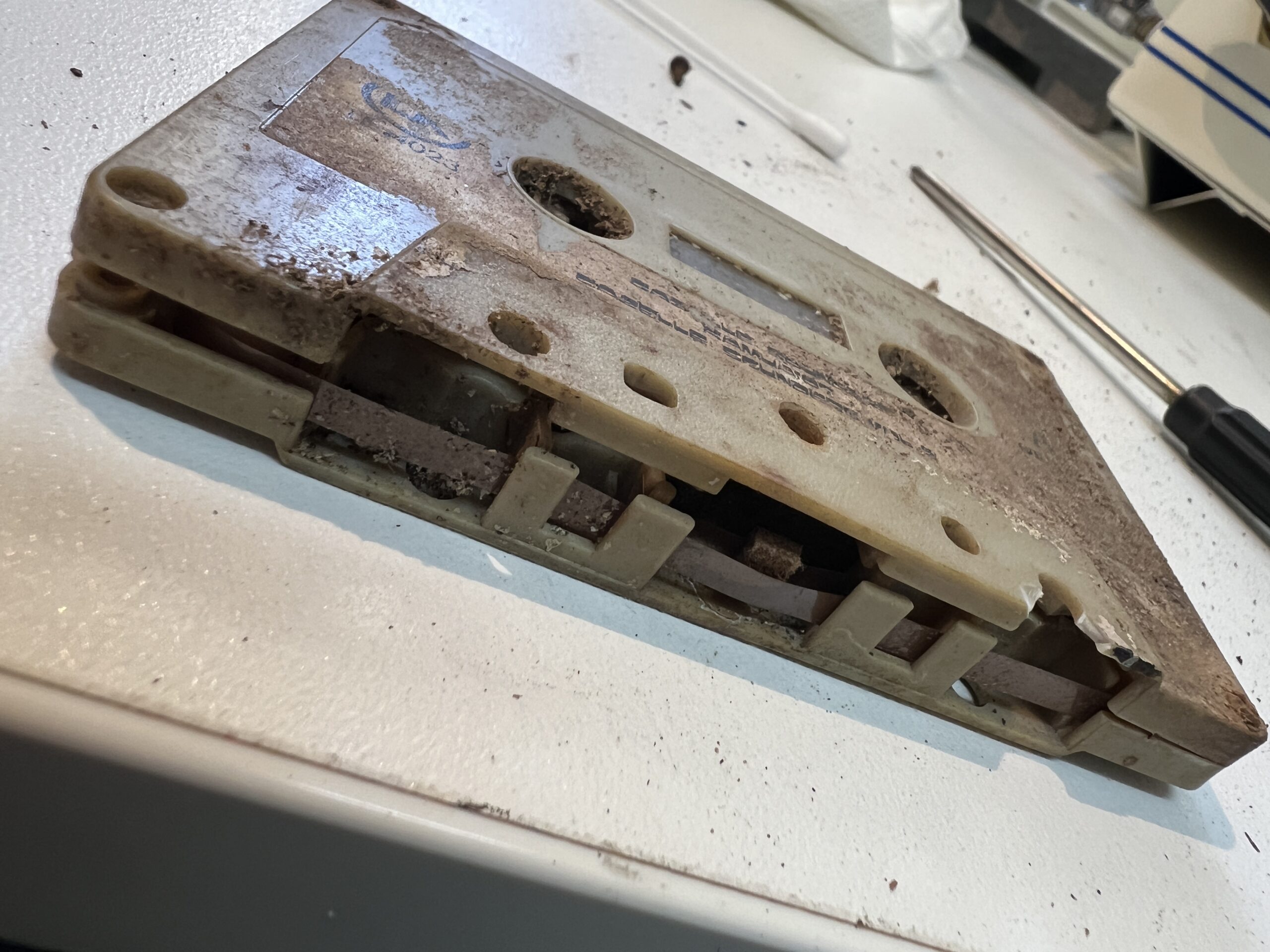
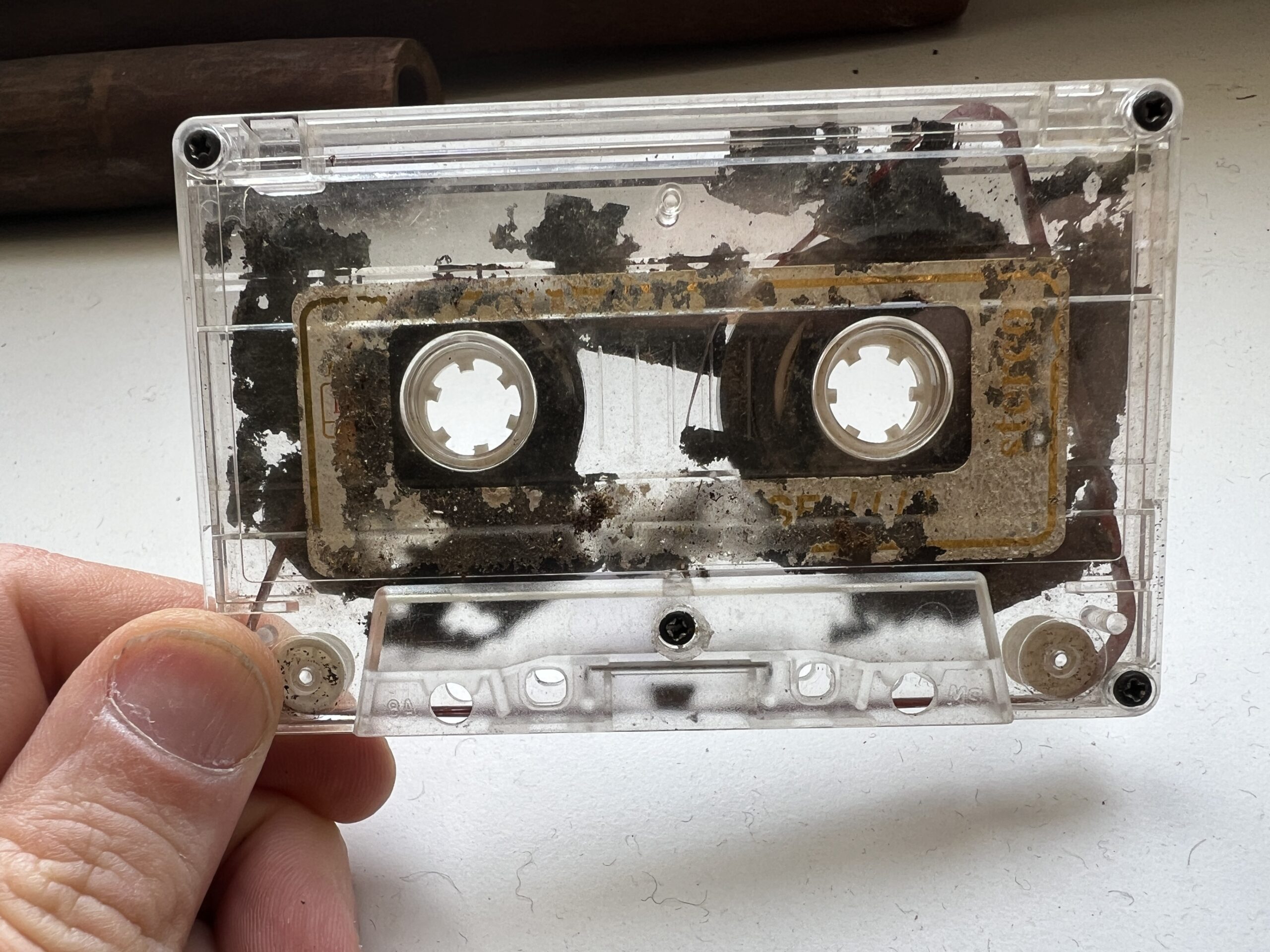
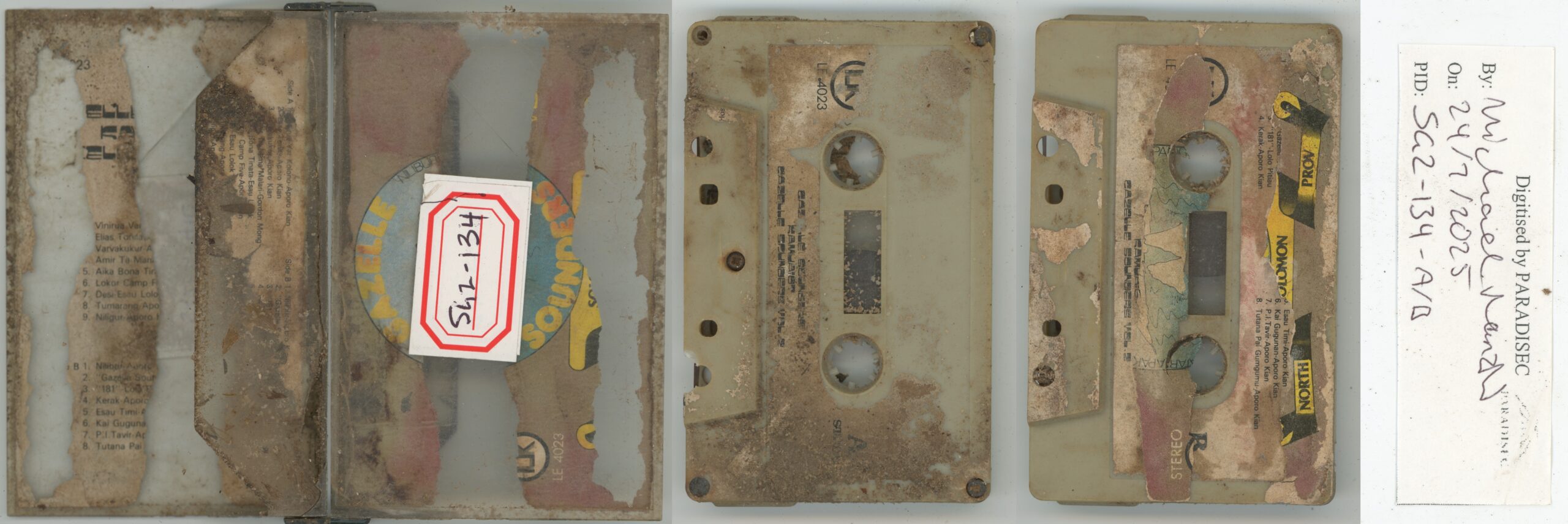
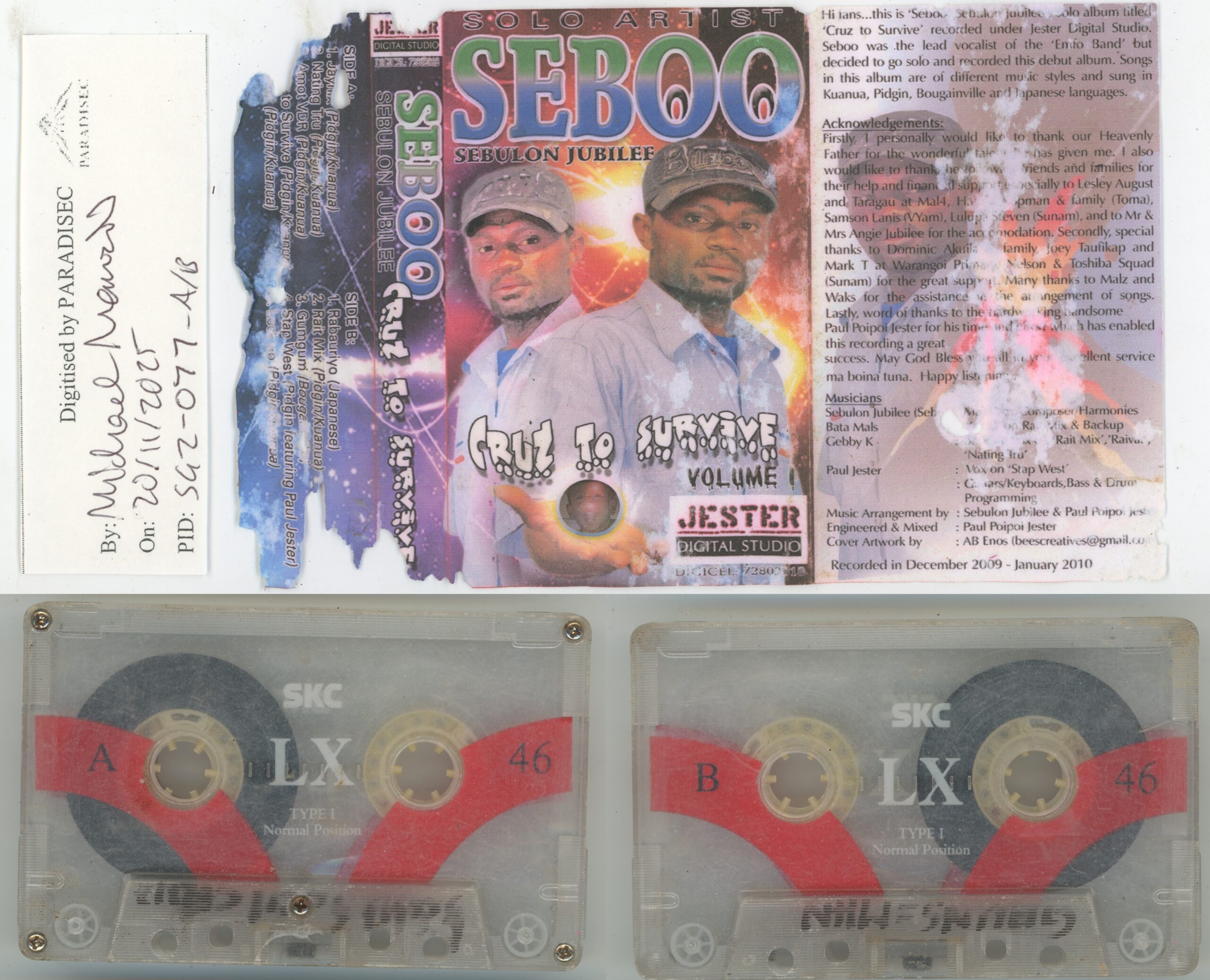
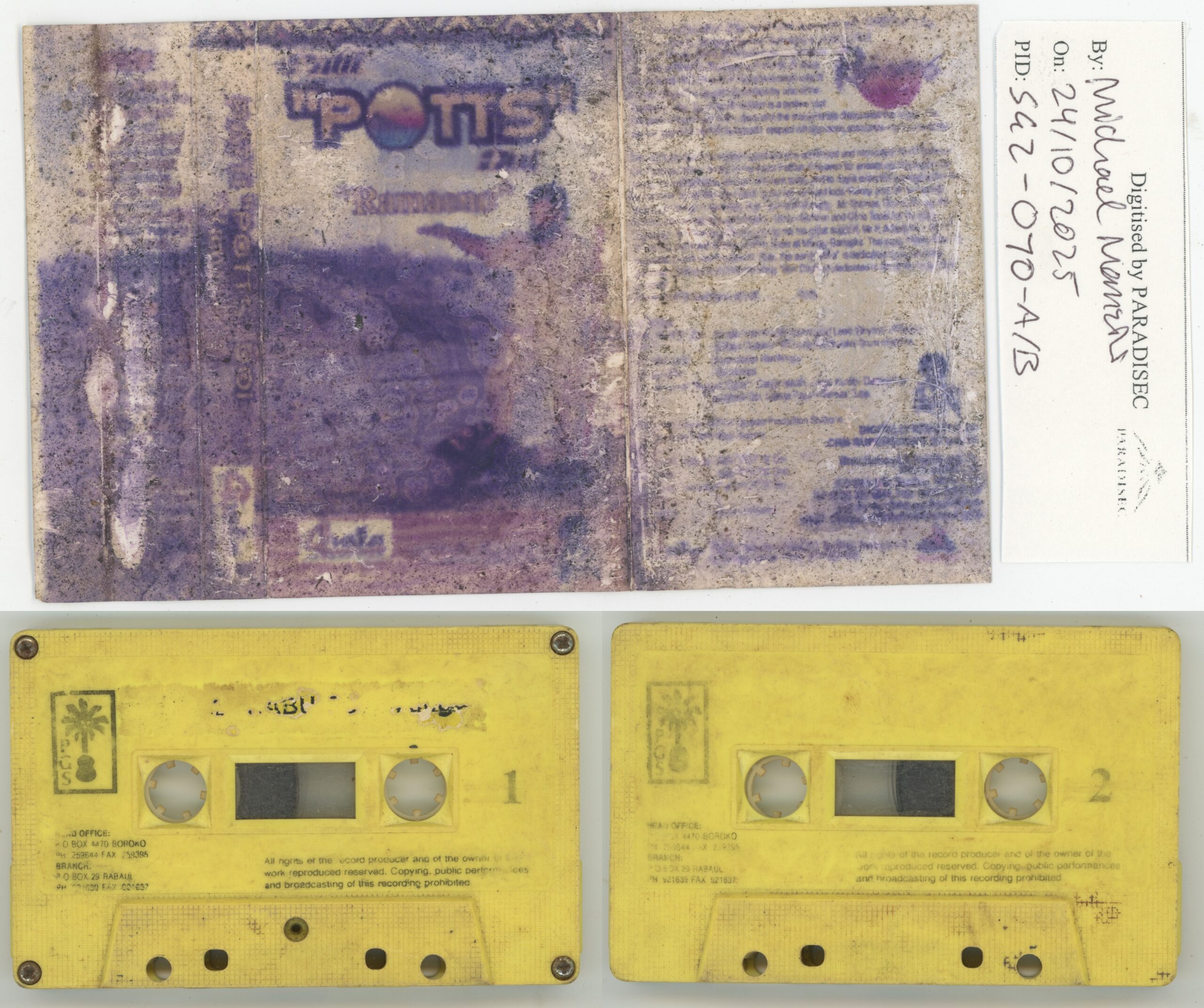
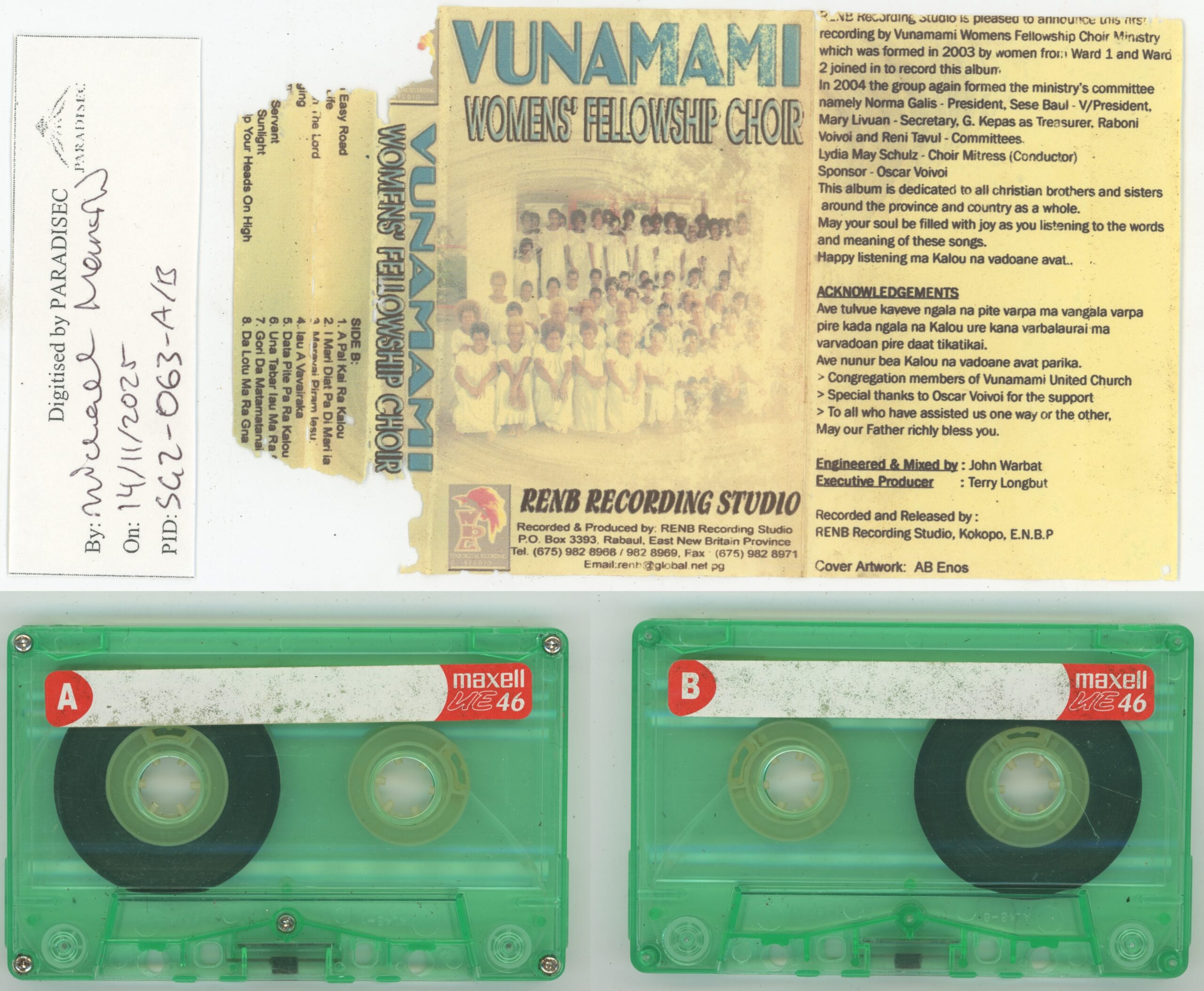
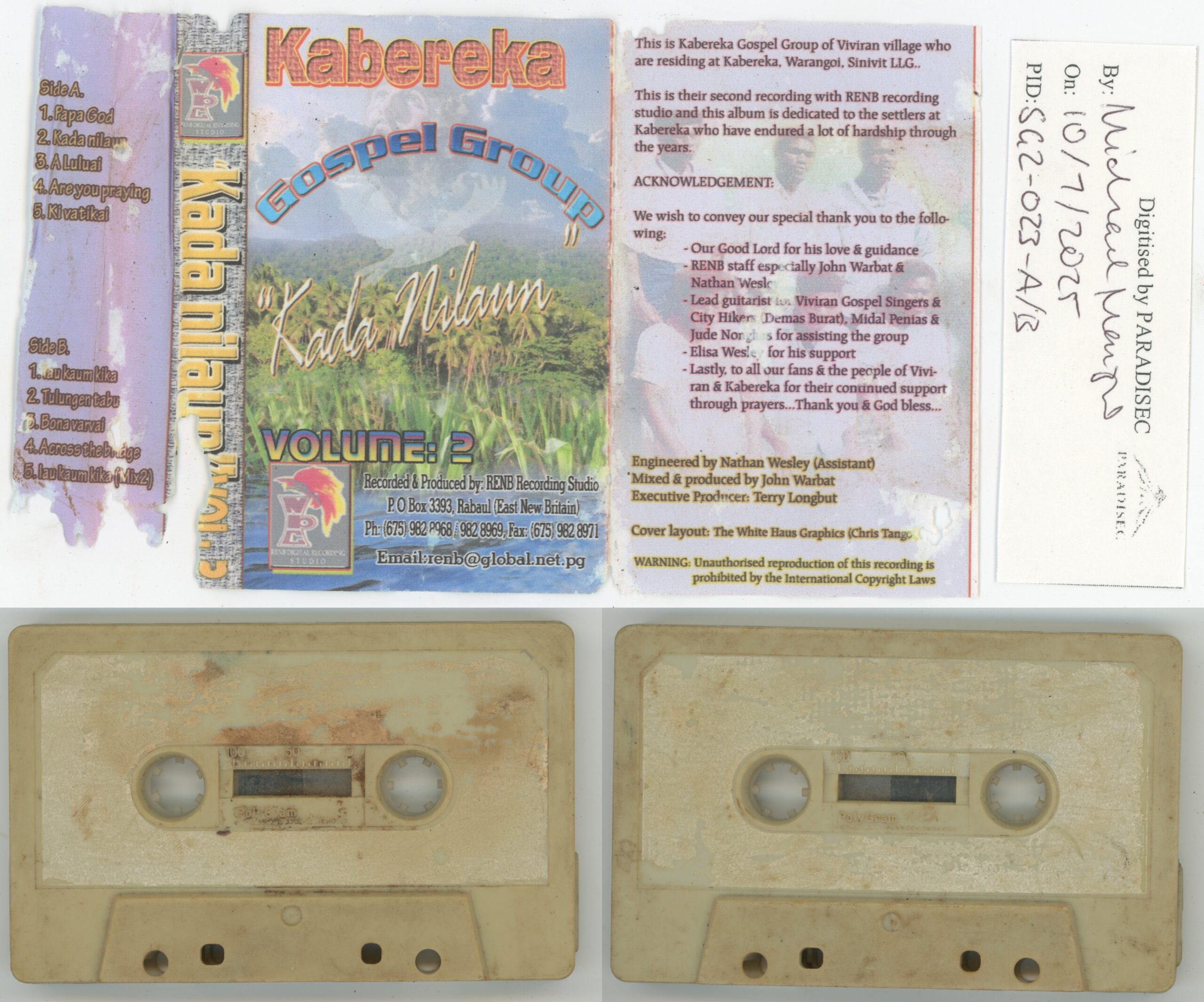
When Steven returned to Australia and we opened the bags, I became slightly overwhelmed by the task ahead. The first thing I noticed was the amount of dirt. It was caked onto the cassette shells, worked into the openings and sitting loose inside them. Metal components had rusted, while pressure pads and slip sheets (the thin liners that help the tape move smoothly inside the shell) were disintegrating or suffering damage. Many of the shells were also damaged or no longer suitable for playback.
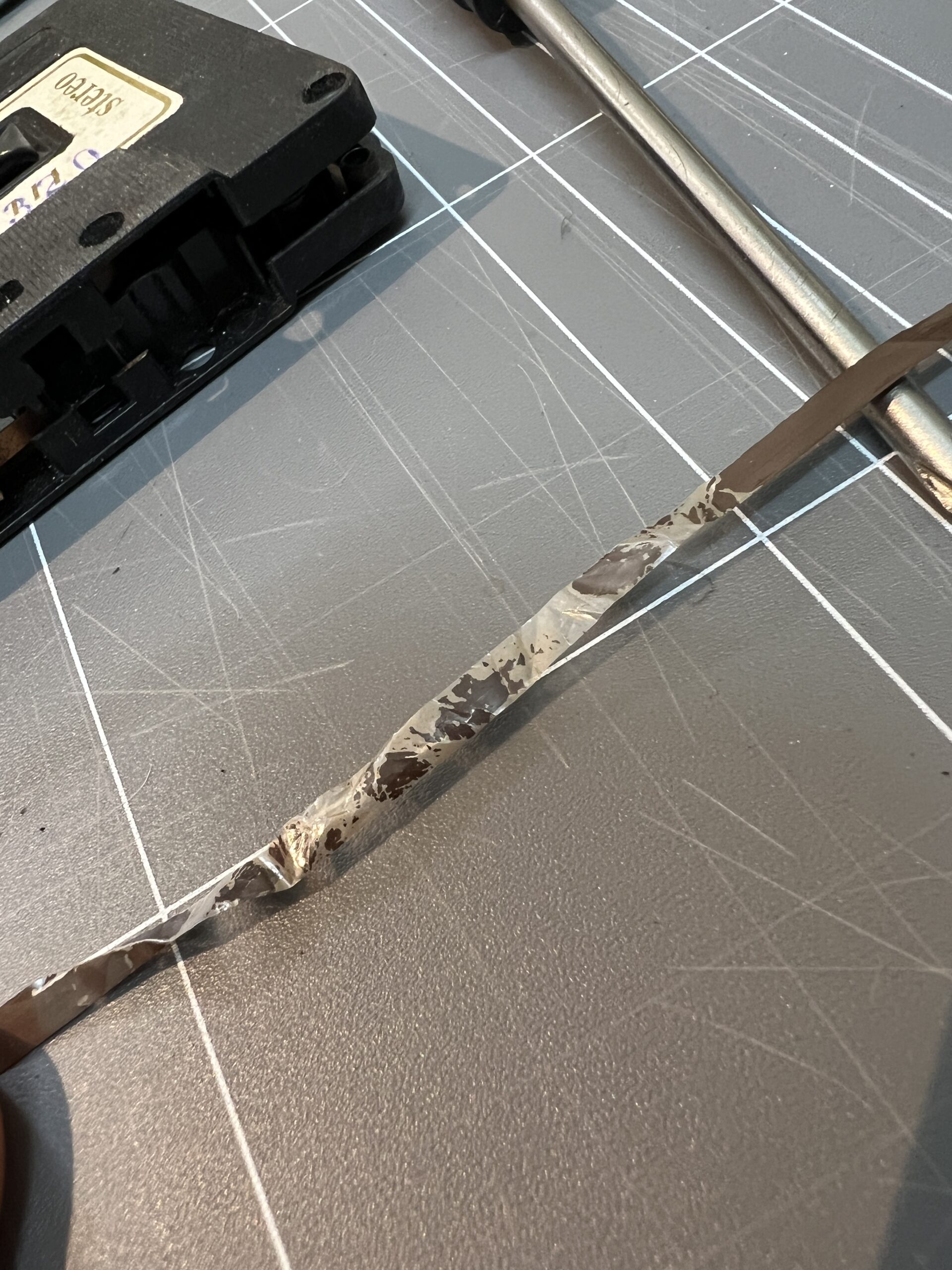
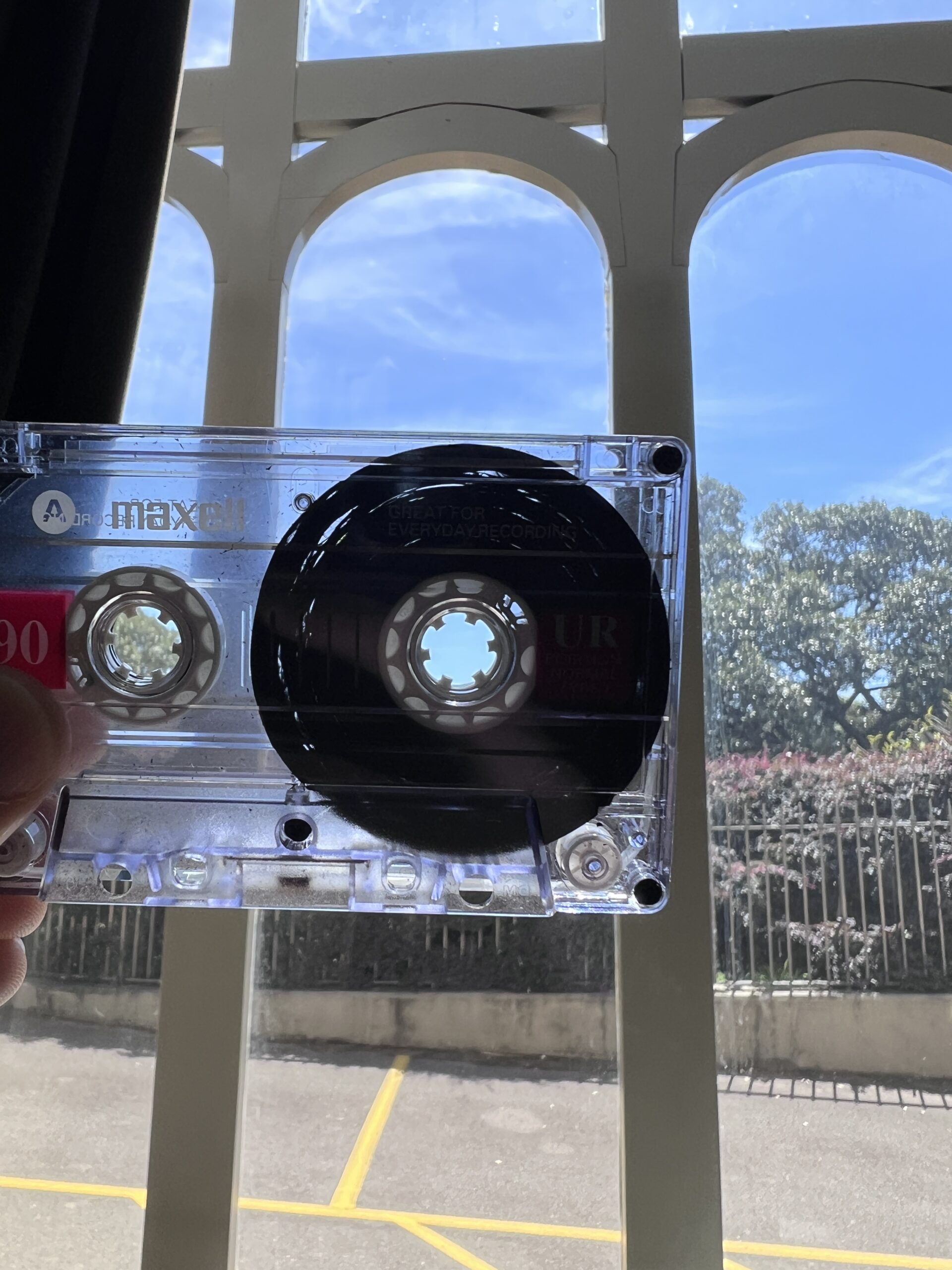
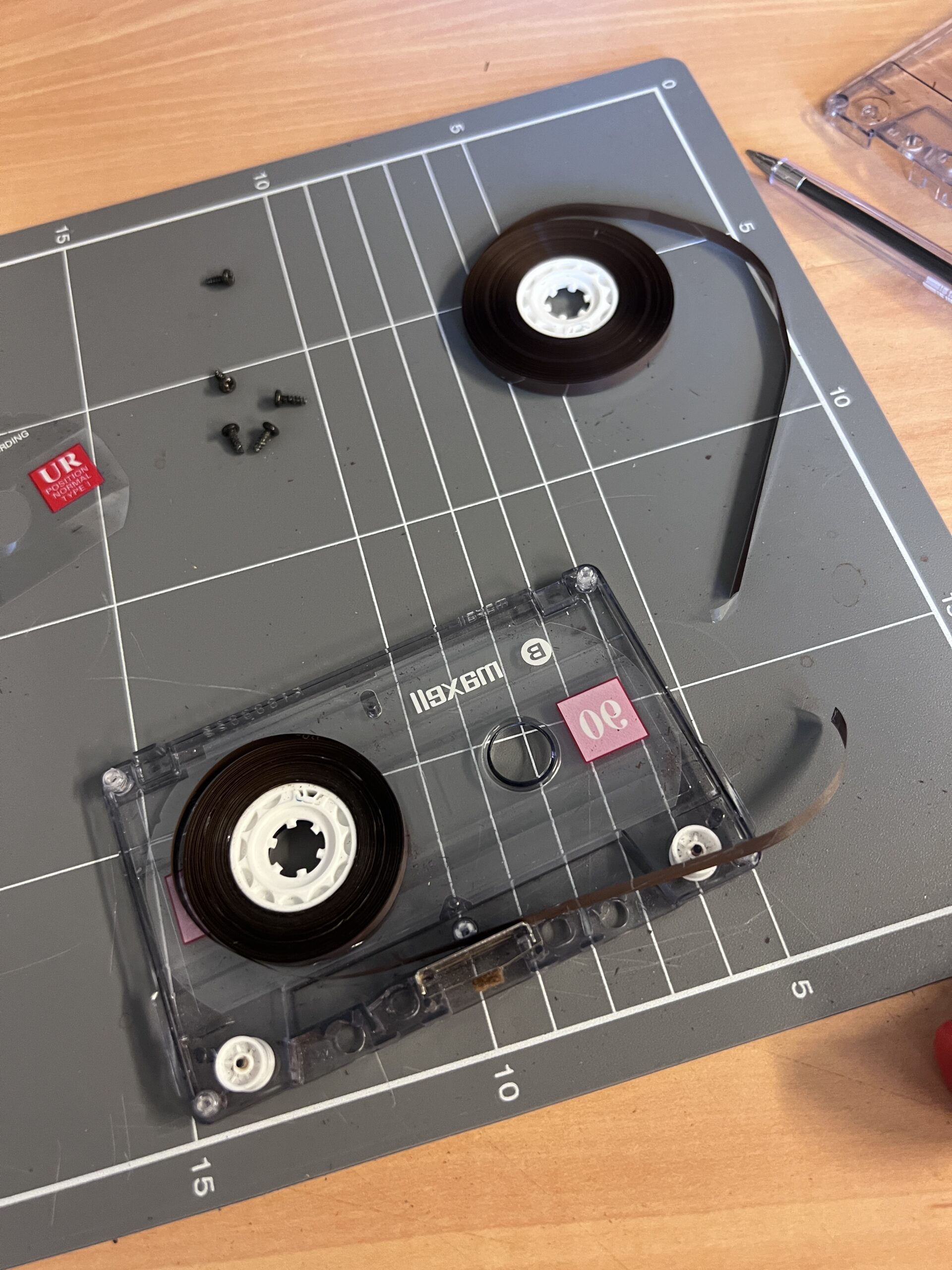
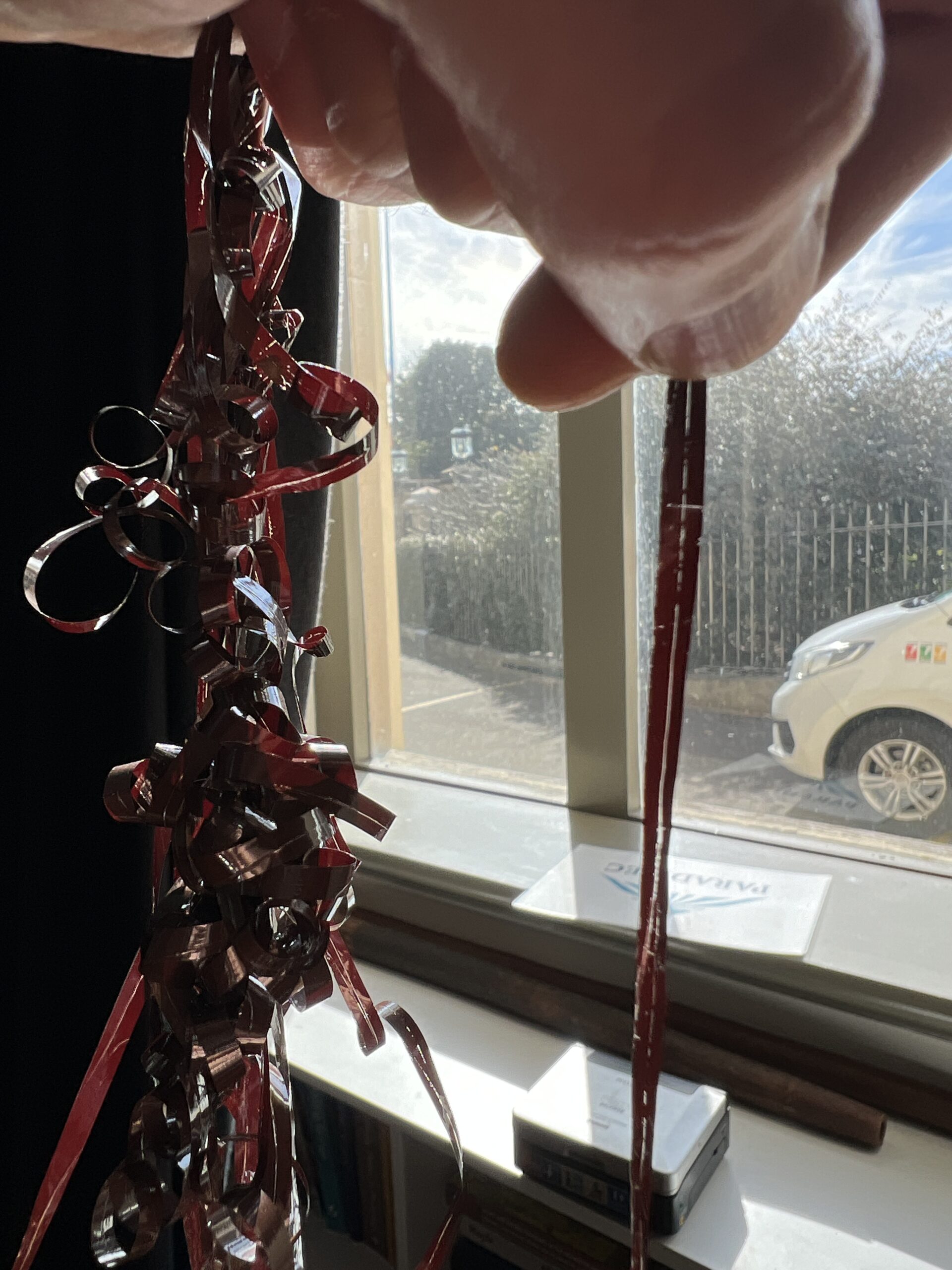
Every cassette needed to be opened and inspected because these problems were not always visible from the outside, and often the tape itself was not in much better condition. Some tape packs (the wound mass of tape on each reel) were loose or uneven, while others were wound so tightly or poorly that the reels could no longer rotate inside the shell. There were creases, stretched and broken sections, and transparent areas where the oxide layer had worn away completely.
The LM-3032
As luck would have it, SG2 arrived at around the same time as the LM-3032 Tape Restorator, a bespoke machine designed and built for PARADISEC by Sam King. The machine is an updated version of a lubrication machine Sam designed and built with colleague Doug Smith at AIATSIS.
Tape has a tiny amount of lubricant mixed into its coating to help it glide smoothly over the playback head. Over time this lubricant can dry out, creating enough friction for the tape to squeal, move unevenly or stop altogether during playback. Relubrication can make these tapes playable again, but the amount applied needs to be carefully controlled. Too little may not solve the problem, and too much can leave residue throughout the playback path.
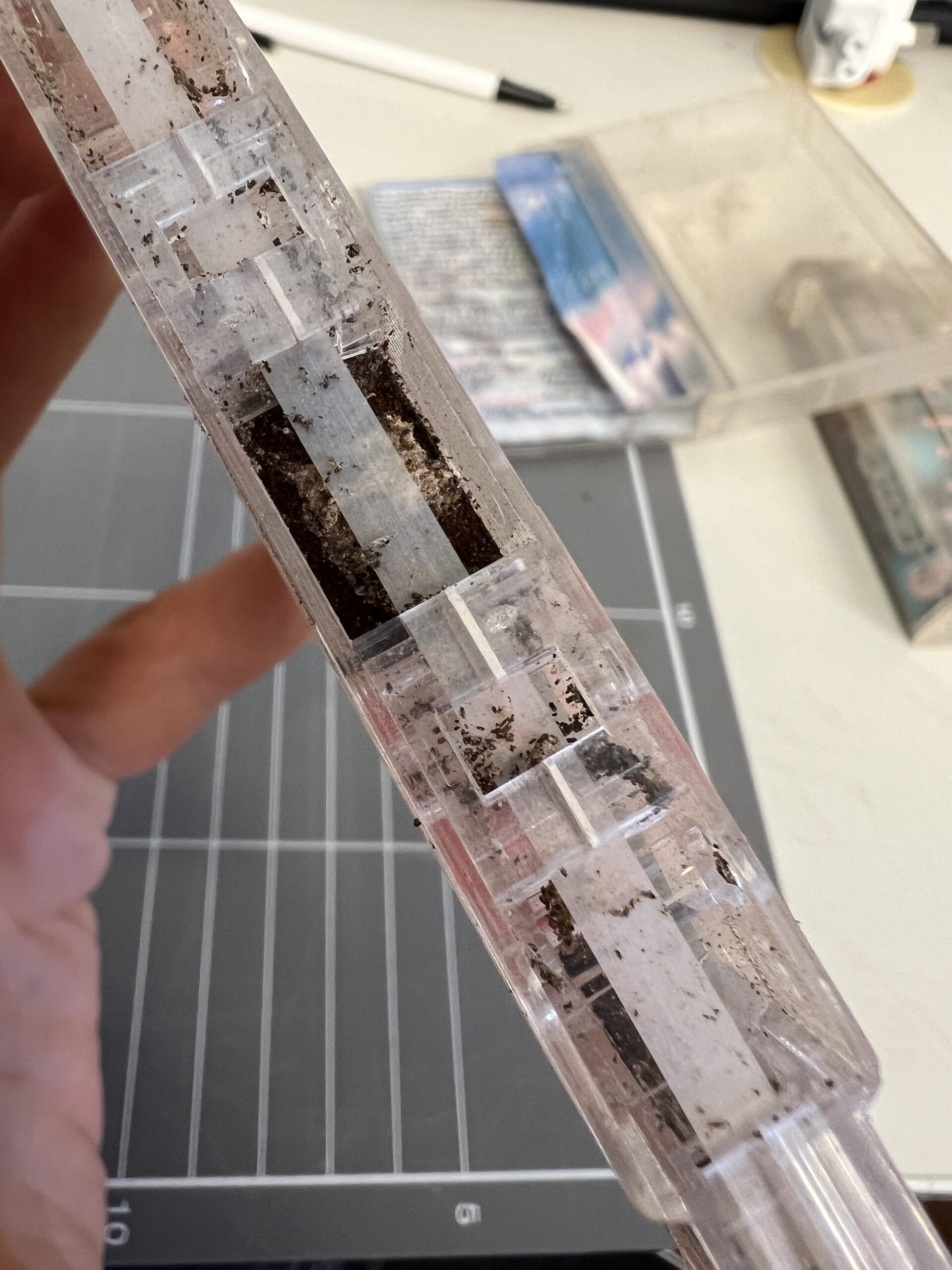
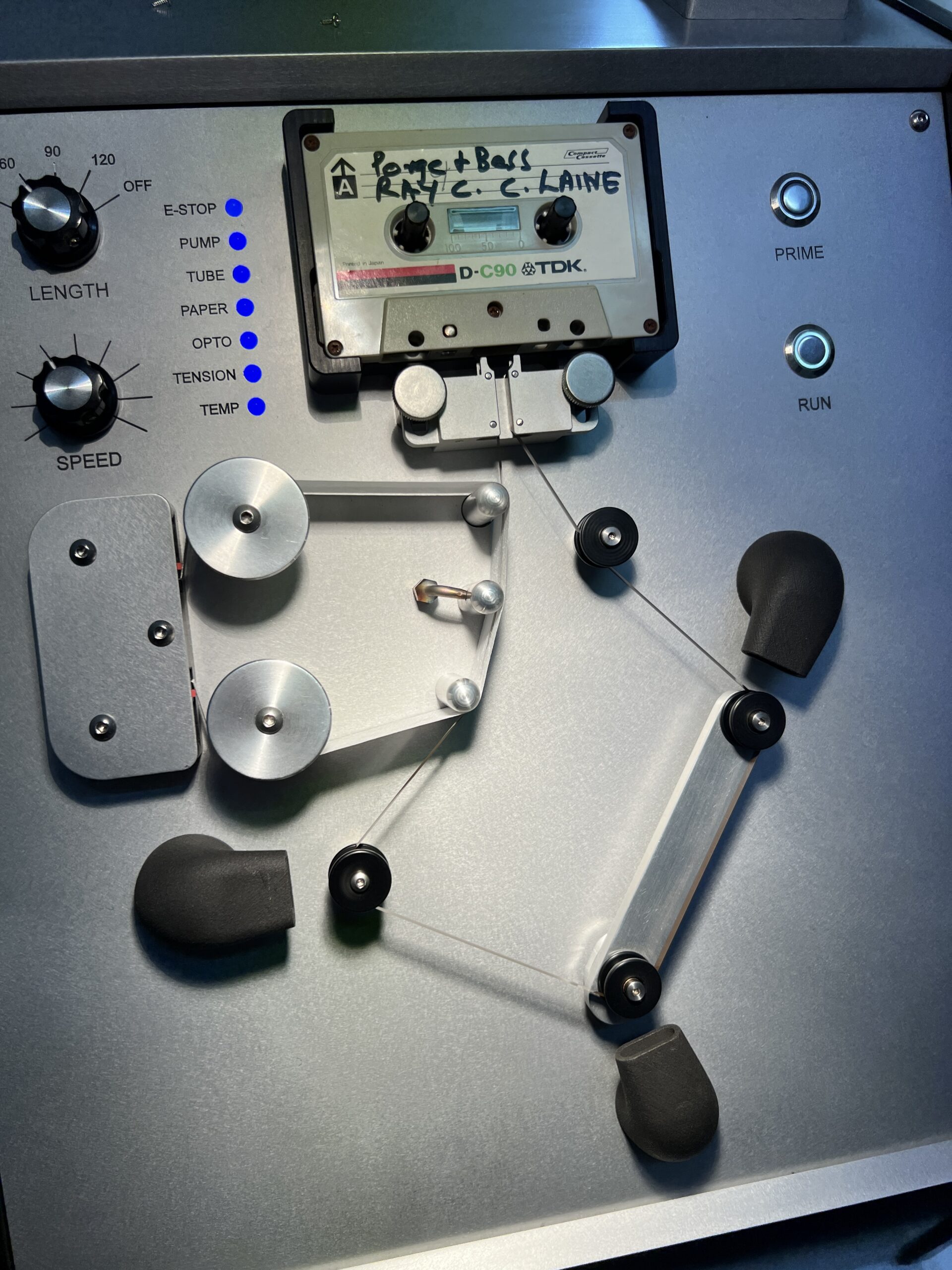
The LM-3032 uses a syringe pump to apply cyclomethicone (a silicone fluid used in cosmetics) evenly across the length of the tape. The tape passes over a soft ribbon, which distributes the lubricant across its oxide surface, before travelling past three ducts blowing hot air. This evaporates the volatile elements and leaves an extremely thin lubricating film before the tape is respooled.
The fact that the ribbon ran across the oxide side initially concerned me because several SG2 tapes had visible wear or flaking. Before using the machine on the collection, I tested it on expendable tapes, including tapes with flaky oxide. The process was soft enough that treatment didn’t appear to cause further damage.
The early stages of using the machine involved a fair amount of experimentation. The main variables were tape speed and the rate at which the lubricant was applied. Different tape formulations absorbed it at different rates, with some noticeably thirstier than others. Once I became familiar with the balance between speed and flow, the machine was intuitive to operate, although there was no single setting that worked equally well for every tape.
I also realised early on that the restorator would inadvertently double as a cleaning device. As the tape passed over the ribbon, it deposited dirt that had remained after manual cleaning and by the end of the project the amount of debris collected on it was considerable. Seeing that build-up made it difficult to imagine achieving the same result without the machine, especially when the alternative was allowing the gunk to travel through the playback deck.
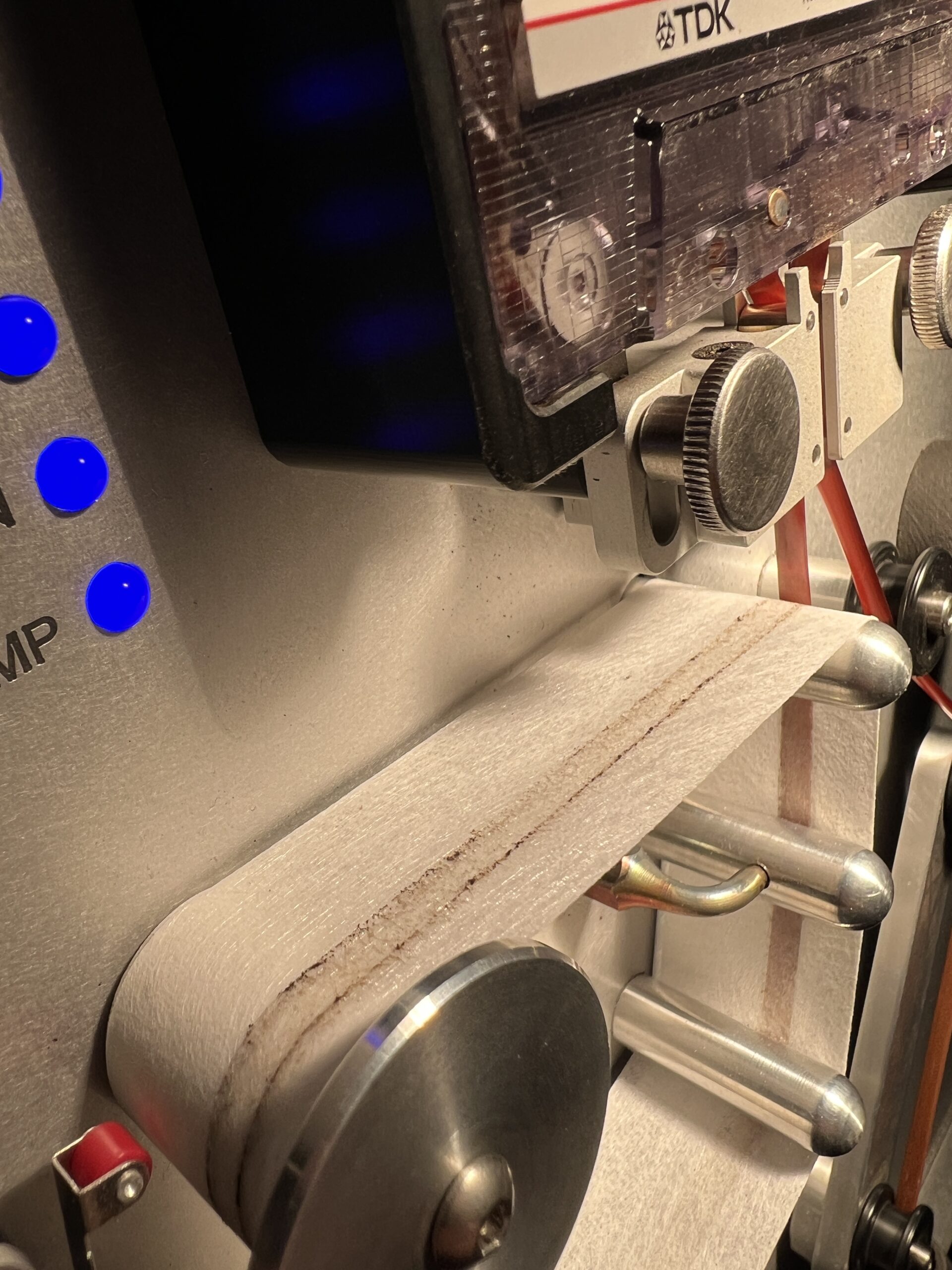
The process
Each cassette was inspected, opened and cleaned manually. Dirt and debris were removed from the shell and as much as possible was removed from the tape pack itself. The tape was then transferred into a clean working shell, run through the LM-3032, baked at 55 degrees Celsius, then digitised using a Tascam 122 MkIII tape deck. Once the transfer was complete, the tape was returned to its original cleaned shell.
Every tape was baked and every tape went through the restorator, including those that looked acceptable on first inspection. Visual condition helped identify obvious problems, but it was not a reliable indication of how the tape would behave once it began moving. Treating everything also reduced the likelihood of discovering halfway through a transfer that a seemingly clean tape was about to start squealing or depositing dirt inside the Tascam.
I did not play the tapes before treatment because I didn’t want dirt and debris entering the deck, which unfortunately meant there was no controlled before-and-after comparison for the restorator across the collection. Its effect was clearest when a tape continued to squeal after the first pass, as a second treatment would usually reduce the squeal considerably or remove it altogether.
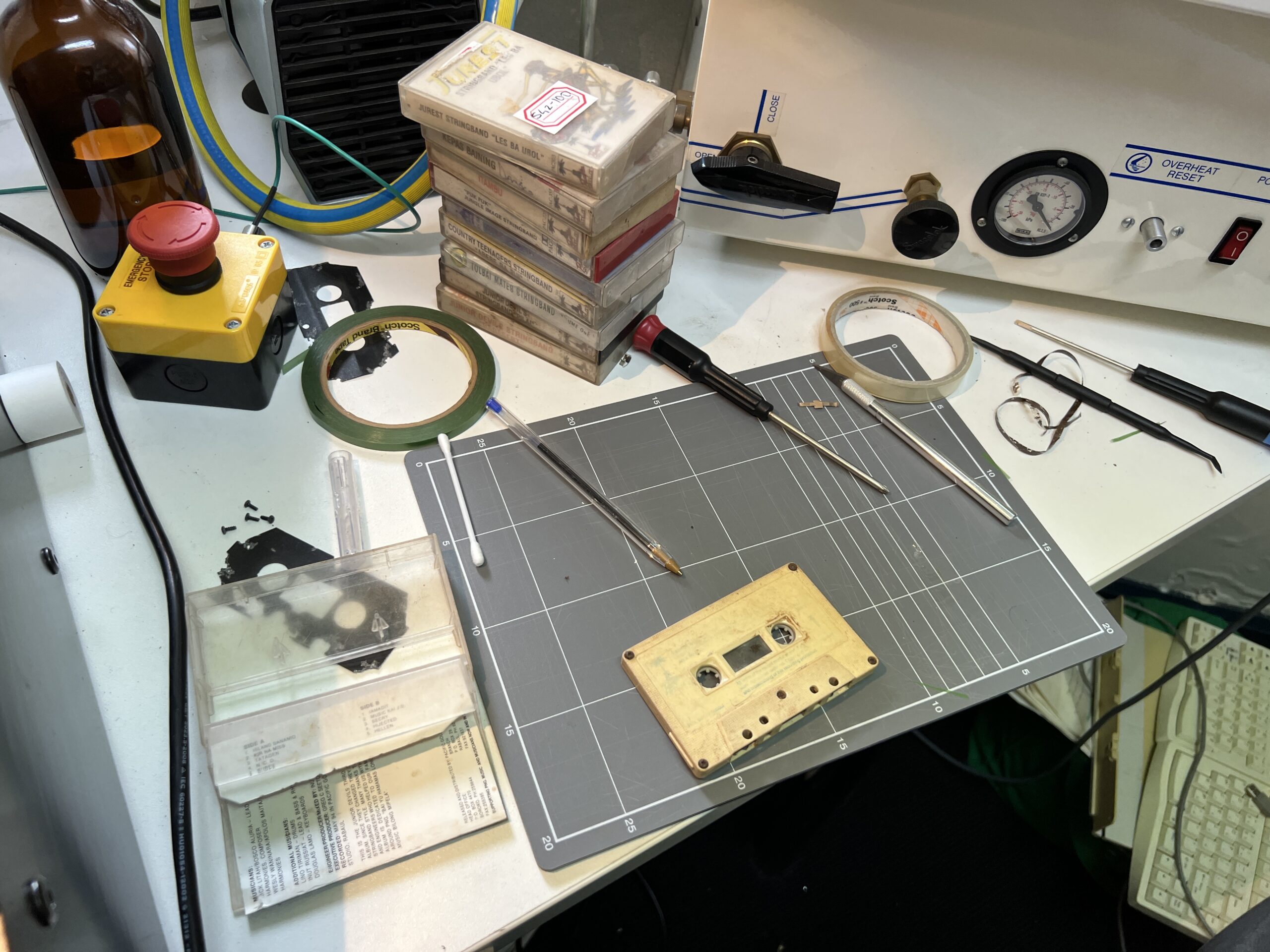
Getting sound from tape to computer
Some cassettes transferred cleanly in a single pass, while others had to be stopped repeatedly for cleaning or repair and the resulting sections joined digitally afterwards. For the more difficult cassettes, the final result was a reconstruction made from several attempts rather than a straightforward capture of one uninterrupted playback. One tape was wound so badly that it could not move through the shell at all, so I cut it in half, treated and digitised each half separately, and reassembled the recording as a digital file.
Azimuth adjustment was necessary for every cassette and sometimes several times within the same recording. On damaged tapes, the best setting could shift as the tape played, so a passage that sounded clear on one transfer might deteriorate later, while another pass recovered that section but sounded worse elsewhere. I would sometimes make several transfers using different settings, then assemble the strongest sections into a single WAV file. For these tapes, an unsuccessful first pass wasn’t enough reason to stop trying.
This particular song has three edit points from shifting azimuth positions (SG2-108: Mama Day by Leonard Kanya)
The transfers required constant monitoring. A damaged section could catch, a repair could fail, the tape might begin squealing or the azimuth could shift far enough to noticeably affect the sound. SG2 was not a project that allowed for much multitasking.
Some recordings contained severe dropouts that no mechanical treatment could fix. A few tapes appeared to have been stored near a magnetic field, leaving repeated losses in the signal (SG2-073), while stretched or worn sections continued to sound poor regardless of how carefully they were treated. The LM-3032 could reduce friction, remove remaining dirt and improve movement through the deck, but it could not reverse creases, stretching, oxide loss or damage to the recorded signal.
Working out what was actually on them
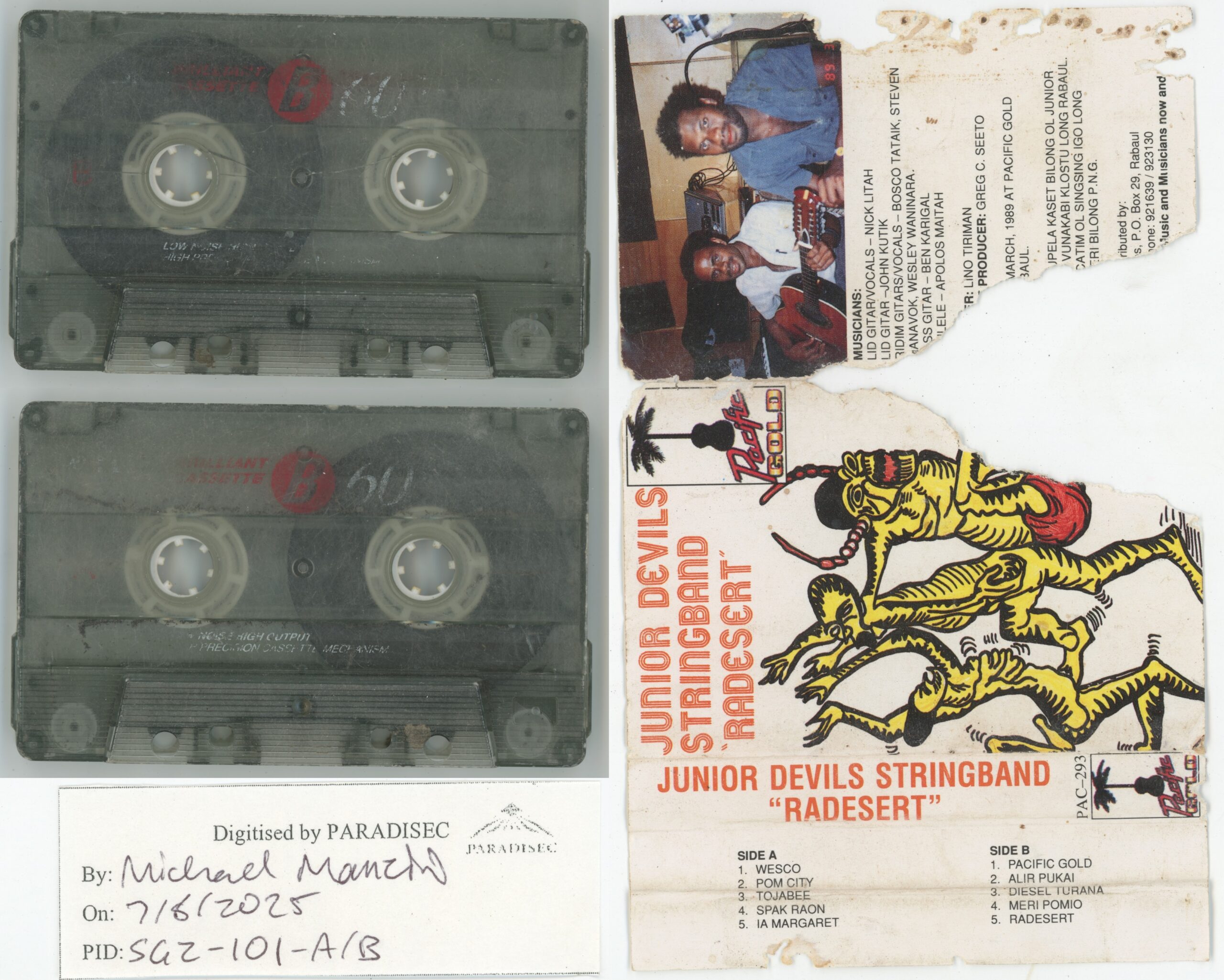
SG2 includes recordings in Tok Pisin, Kuanua and other regional languages from Papua New Guinea. As I don’t speak those languages, my metadata mainly covered playback notes, physical condition, apparent duplicate tapes and obvious discrepancies between what was written on the case and what could be heard on the tape. The labels were often faded, water-damaged, missing or attached to the wrong cassette, and tapes and covers had frequently become separated. A cassette labelled as a particular band might contain a church choir, several unrelated recordings or material that had been partly taped over. In many cases, there was no reliable way for me to identify the performers or contents beyond noting that they did not match the information provided. Steven and his team in Papua New Guinea would work on these discrepancies.
After several months of work spread across one or two days each week, the final tapes were completed in December 2025. When Steven travelled back to Papua New Guinea later that month, he brought with him a hard drive containing the complete digital collection so the metadata could be enriched. The identifications made by the metadata team in Papua New Guinea were added to the records, and copies were made available through both a community archive and the PARADISEC catalogue.
Having people involved who knew the languages, music and communities represented in the recordings was essential to making sense of material that would otherwise have remained poorly identified. It also meant that the people who contributed the tapes were actively involved in its preservation and longevity. For a collection like SG2, access to that knowledge is as important as access to the recordings themselves.
Some of the transfers still contain dropouts and anomalies that could not be repaired. You can hear in the wear how many hours of enjoyment a tape must have brought somebody. Even so, people were reunited with recordings they had not heard in decades and hearing them no longer depended entirely on the survival of the original cassette or access to a functioning tape deck.
The music itself
One of the more interesting parts of working on SG2 was that much of the collection contained music, which was not only enjoyable but also gave me some indication of how international popular music had circulated through Papua New Guinea and influenced local musicians.
SG2-151 included a version of “You Can’t Do That” by The Beatles. It was interesting to hear a relatively less obvious Beatles song turn up in this context and to consider the route it must have taken before being performed and recorded by a group in Papua New Guinea (Oroko Mates). British and American influences were clearly present throughout much of this material, although the musicians had filtered them through their own style.
Listen to “You Can’t Do That” by Oroko Mates (SG2-151)
The stringband recordings were also distinctive. To my ears, individual bands often returned to the same opening figures, strumming patterns and chord progressions across multiple songs, changing the lyrics while keeping a recognisable musical “brand”. Each band seemed to have developed one style of playing and stayed firmly within it. Recordings by City Hikers String Band (SG2-084), Country Teenagers String Band (SG2-097), Jungle Image String Band (SG2-109), Junior Devils String Band (SG2-101), New Lakwas String Band (SG2-143) and Spanish String Band (SG2-141) all feature examples of this.
Listen to “Lus Man” by Jungle Image String Band (SG2-109)
Cassette was both particularly well suited and integral to the way this music circulated. During the 1970s and 1980s, tapes were affordable, quick to reproduce, easy to transport and more durable than vinyl. In Australia, Britain and the US, prerecorded cassette was often treated as secondary to vinyl and later CD. In Papua New Guinea, it functioned as the main format for producing and distributing local music, which makes these recordings in SG2 an important document of a part of Papua New Guinean culture that can be overlooked in comparison to more academic recordings. The popular music people listened to at the time captures the circulation of outside musical influences, shifting local tastes, live performance practices, the constraints and possibilities of recording technology, and the ways communities chose to present and represent themselves through sound.
Deadline 2025
For years, “Deadline 2025” circulated through the audiovisual preservation field as a warning that increasingly obsolete playback equipment and instability of magnetic tape would soon make large-scale digitisation impractical. The advice was to act while it was still possible to do so.
In October 2025, while I was still working through SG2, I attended the ASRA conference Reflections on “Deadline 2025”: The Past, Present, and Future. Much of it felt like a collective “now what?” One speaker argued that Deadline 2025 had worked as a scare campaign to create a sense of urgency and attract funding for large-scale digitisation. Then 2025 arrived, the work was unfinished and there was a real possibility that funding and attention would begin to disappear once the year ended. The general consensus among the speakers was to carry on and invest in technology that could extend what was possible. The LM-3032 itself was featured at the conference as a new piece of equipment for treating difficult tapes, which made the discussion particularly relevant to the collection waiting for me back at the office.
SG2 gave me a practical example of what that future might look like. The cassettes had spent decades in poor conditions, yet most still yielded usable sound, including some that appeared beyond recovery. I think about a post on reddit of a cassette recovered from the sea floor that still played after it was cleaned. Poor storage and handling can obviously affect magnetic tape, but it seems able to survive a great deal of neglect and still produce usable sound.
The tapes in SG2 had proved to be remarkably robust, while the LM-3032 showed that the methods used to preserve it were still evolving. Writing this halfway through 2026 left me with a sense of optimism about how much audio was still recoverable, and what a more inventive phase of tape preservation might make possible.
 Follow
Here at Endangered Languages and Cultures, we fully welcome your opinion, questions and comments on any post, and all posts will have an active comments form. However if you have never commented before, your comment may take some time before it is approved. Subsequent comments from you should appear immediately.
We will not edit any comments unless asked to, or unless there have been html coding errors, broken links, or formatting errors. We still reserve the right to censor any comment that the administrators deem to be unnecessarily derogatory or offensive, libellous or unhelpful, and we have an active spam filter that may reject your comment if it contains too many links or otherwise fits the description of spam. If this happens erroneously, email the author of the post and let them know. And note that given the huge amount of spam that all WordPress blogs receive on a daily basis (hundreds) it is not possible to sift through them all and find the ham.
In addition to the above, we ask that you please observe the Gricean maxims:*Be relevant: That is, stay reasonably on topic.
*Be truthful: This goes without saying; don’t give us any nonsense.
*Be concise: Say as much as you need to without being unnecessarily long-winded.
*Be perspicuous: This last one needs no explanation.
We permit comments and trackbacks on our articles. Anyone may comment. Comments are subject to moderation, filtering, spell checking, editing, and removal without cause or justification.
All comments are reviewed by comment spamming software and by the site administrators and may be removed without cause at any time. All information provided is volunteered by you. Any website address provided in the URL will be linked to from your name, if you wish to include such information. We do not collect and save information provided when commenting such as email address and will not use this information except where indicated. This site and its representatives will not be held responsible for errors in any comment submissions.
Again, we repeat: We reserve all rights of refusal and deletion of any and all comments and trackbacks.